Straight Talk
No spin. No jargon. Just the information you need.
These articles exist because the financial press rarely tells the whole story about de-banking, account freezes, Nordic closures, and what actually protects you. We do.

Julius Baer and Swiss Private Banking Without Residency: The Honest Answers
Can you open a Julius Baer account without visiting Switzerland? The honest answers on minimums, remote onboarding, source of wealth, CRS reporting, and the alternatives worth naming.
Read article →

Liechtenstein Bank Account: Private Banking From CHF 100,000
Liechtenstein private banking from CHF 100,000: what banks require, what your home state sees and reaches, and the honest comparison with Switzerland.
Read article →

Open a Swiss Bank Account as a Non-Resident: The 2026 Guide
What it really takes to open a Swiss bank account as a non-resident: minimums from CHF 500,000, fees, remote options, CRS and tax, and the CHF 100,000 alternative next door.
Read article →

Debanked: Why UK Banks Close Accounts Without Warning
Hundreds of thousands of British accounts are closed every year, usually without explanation. Why banks do it, why complaining rarely helps, and how a second banking relationship abroad makes it a non-event.
Read article →

Account Freezing Orders: How UK Accounts Get Frozen Without Charges
Since 2017, UK accounts can be frozen by a magistrates' court order, without notice, on a low evidential bar, for up to two years, with no criminal charge required.
Read article →

Nordic Banks Are Closing Expat Accounts: Why It Happens and What to Open Instead
Nordea, Danske, Swedbank and their peers are closing accounts of citizens living abroad. Why the de-risking wave keeps rolling, and how to bank beyond its reach.
Read article →

Norway's Wealth-Tax Exodus: The Banking Playbook for Leavers and Stayers
Norway's wealth tax has moved a generation of founders to Switzerland, and tightened exit rules followed. The banking dimension nobody explains: what to open, where, and in which order.
Read article →

Fixed Deposits Abroad: Where the High Interest Rates Really Are (2026)
Georgian banks pay high single digits, Armenian and Kazakh banks compete hard for deposits, and your home bank pays you almost nothing. The honest guide to foreign fixed deposits.
Read article →

CRS Explained: What the Common Reporting Standard Actually Does to Your Foreign Account
CRS is the global tax-information exchange that moves data about your foreign accounts to your home tax authority every year. What it covers, what it misses, and what it means for you.
Read article →

Singapore vs Switzerland: Which Private Banking Centre Is Right for You?
Both are stable, discreet, and expensive. But they serve different clients, different risk profiles, and different legal frameworks. The honest comparison.
Read article →

Panama Bank Account: What the Brochures Don't Tell You
Panama is on the FATF grey list, CRS-participating, and requires in-person visits for most banks. The honest guide to what still works and what doesn't.
Read article →

The Nomad Banking Address Problem, and How to Solve It
Banks want a permanent address. Digital nomads don't have one. Here's how the address requirement works in practice, which jurisdictions are flexible, and what actually holds up.
Read article →

Vanuatu: The Non-CRS Account You Can Open Remotely
Vanuatu is one of the few remaining jurisdictions that is not a CRS participant, accepts remote account opening, and has a functioning banking system. What's real and what's hype.
Read article →

Deposit Guarantees Worldwide: What Your Money Is Actually Protected By
EU deposit guarantee schemes cover €100,000. But the quality of that guarantee varies enormously by country. The honest comparison across 20 jurisdictions.
Read article →
Revolut as a Foreign Account: What It Can and Cannot Do
Revolut is not a bank in the traditional sense. It holds e-money, not deposits. Here's what that means for your money, your protections, and whether it counts as a foreign account.
Read article →

Non-CRS Countries 2026: The Complete List and What It Actually Means
Not every country exchanges banking data. Here is the current list of non-CRS jurisdictions, what "non-CRS" actually means in practice, and which ones are realistic for account opening.
Read article →

The Anonymous Account Myth: What Privacy in Banking Actually Looks Like in 2026
Truly anonymous accounts no longer exist. But meaningful privacy, where your home tax authority doesn't automatically receive your balance, still does. Here's the honest picture.
Read article →
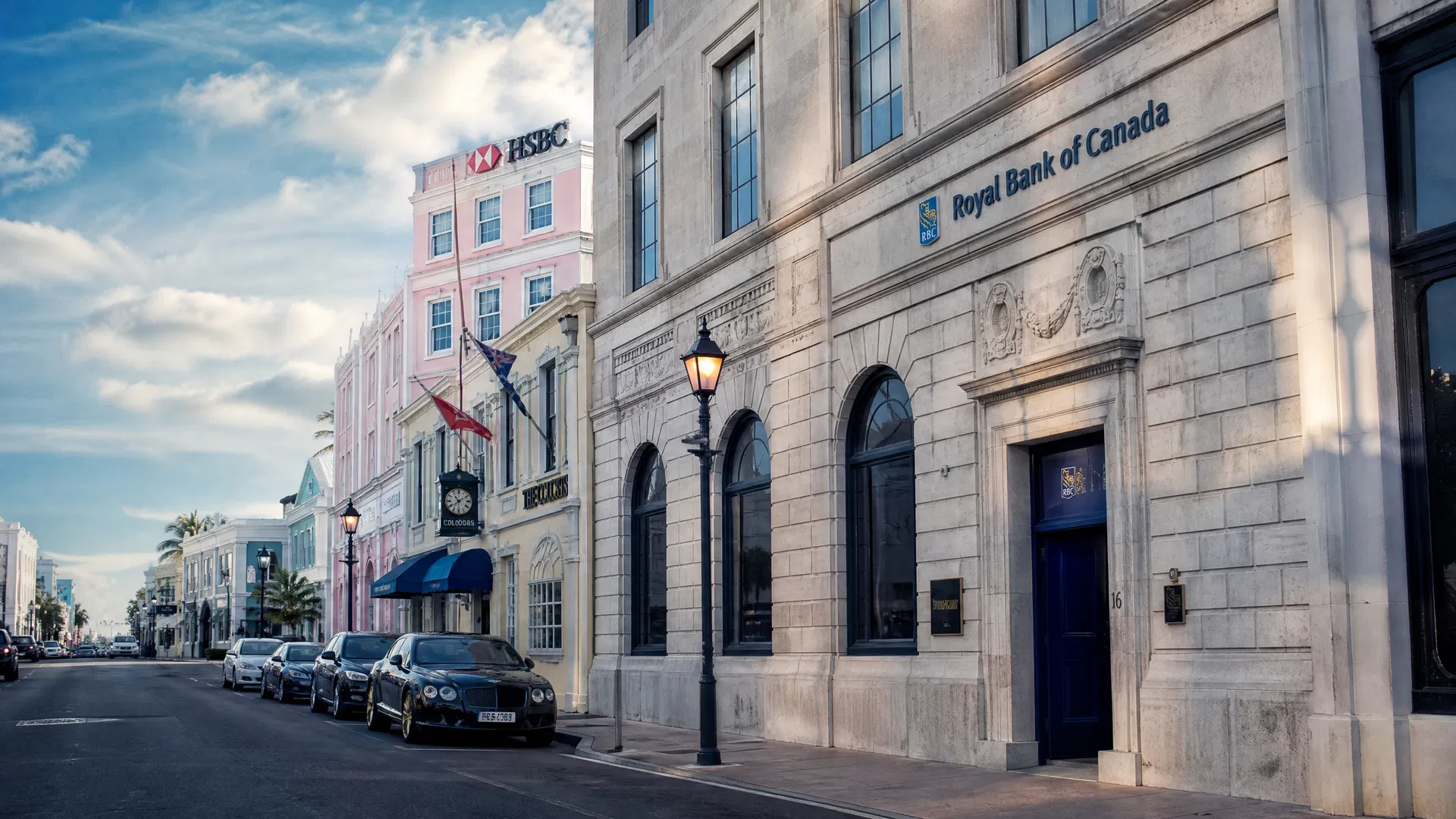
Bahamas Bank Account: What's Changed Since the Offshore Era
The Bahamas joined CRS in 2018, tightened KYC rules, and now requires in-person visits. What still makes sense there, and what doesn't.
Read article →

Northern Cyprus Bank Account: The Warning Nobody Publishes
Northern Cyprus banks are not recognised by the EU, not covered by any deposit guarantee scheme, and operate under Turkish Cypriot law. The risks are real and rarely explained.
Read article →

Luxembourg Bank Account: Why It's Rarely Worth the Effort for Private Clients
Luxembourg is CRS-participating, requires high minimum deposits, and offers no meaningful privacy advantage over other EU jurisdictions. The honest case against.
Read article →
Ready to act on what you've read?
One free consultation, in English, tells you which jurisdiction fits your situation and what to open first.
Book free consultation